
 06 August 2026
 Share
Share
1
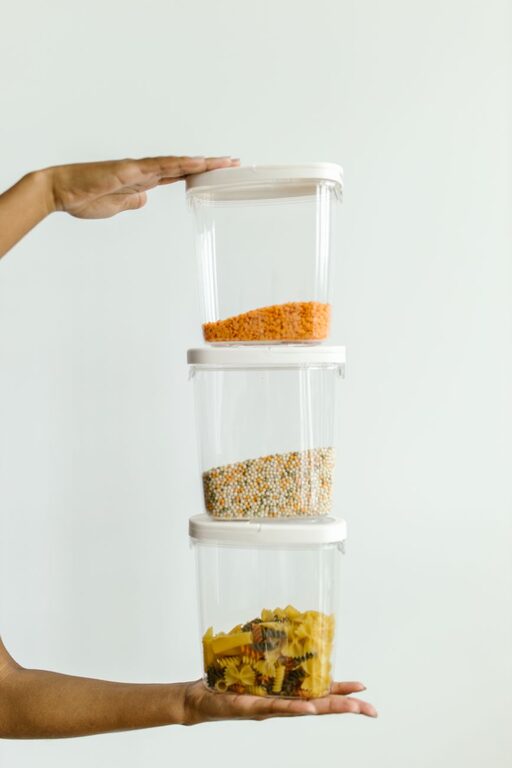
Planning meals from pantry staples is a smart and convenient way to create delicious dishes without frequent trips to the grocery store. Whether you’re looking to simplify your weekly cooking routine, reduce food waste, or save money, mastering the art of using what you already have on hand can make mealtime easier and more enjoyable.
In this guide, we’ll walk you through how to effectively plan meals using pantry staples, including tips on organizing your pantry, meal ideas, and strategies for combining ingredients to keep dinners fresh and exciting.
Pantry staples are non-perishable foods that you keep stocked in your kitchen for regular use. These items have a long shelf life and serve as the foundation for many meals. Common pantry staples include:
– Canned beans and legumes
– Pasta and rice
– Canned tomatoes and sauces
– Cooking oils and vinegars
– Dried herbs and spices
– Flour, sugar, and baking powder
– Broth or stock (canned or boxed)
– Canned tuna or chicken
– Shelf-stable milk alternatives
Having these essentials on hand gives you the flexibility to create a variety of dishes without needing fresh ingredients every time.
Before you start planning meals, it’s helpful to organize your pantry so you can easily see what you have.
Remove expired items and any products you don’t use. A tidy space makes meal planning less overwhelming.
Store items by category—grains together, canned goods grouped, baking supplies in one area. This helps when searching for ingredients.
If you buy in bulk, transfer items to clear containers and label them with expiration dates. Use older items first to minimize waste.
Maintain a written or digital list of pantry items and update it regularly. This helps you know what’s available when planning meals.
Pantry staples like canned beans, lentils, or tuna can be excellent protein bases. Decide which protein you want to highlight and build your meal around it.
– Example: Chickpea curry using canned chickpeas and canned tomatoes.
– Example: Tuna pasta salad with canned tuna, pasta, and vinaigrette.
Grains such as rice, quinoa, or pasta are versatile and filling. Pair them with protein and veggies (fresh, frozen, or canned) for balanced meals.
– Example: Rice bowl with black beans, salsa, and avocado.
– Example: Pasta with tomato sauce, ground spices, and Parmesan.
Don’t forget to use your dried herbs, spices, oils, and vinegars to enhance dishes. A simple sprinkle of herbs can transform a basic meal.
– Example: Olive oil, garlic powder, and oregano on roasted canned vegetables.
– Example: A splash of vinegar to brighten bean salads.
These methods reduce cleanup and often allow pantry staples to shine.
– Example: One-pot pasta with canned tomatoes, garlic, and spinach.
– Example: Sheet-pan chickpeas and root vegetables seasoned with spices.
– Canned kidney beans, black beans
– Canned diced tomatoes
– Chili powder, garlic powder
– Onion powder, cumin
– Optional: canned corn
Simmer beans and tomatoes with spices for a warming chili. Serve with rice or bread.
– Pasta (spaghetti or any type)
– Olive oil
– Garlic (fresh or garlic powder)
– Red pepper flakes
– Dried parsley or basil
Cook pasta, then toss with olive oil, garlic, and herbs for a quick, tasty meal.
– Canned or dried lentils
– Vegetable broth or water with bouillon
– Canned tomatoes
– Dried thyme, bay leaf, salt, and pepper
Simmer lentils and tomatoes in broth with seasonings. Add any fresh or frozen veggies for extra nutrition.
While pantry staples form the meal base, adding fresh or frozen ingredients when possible will boost flavor and nutrition.
– Keep a small stock of fresh onions, garlic, and potatoes.
– Frozen vegetables like peas, spinach, or mixed veggies are excellent additions.
– Fresh herbs or a squeeze of lemon juice can brighten dishes.
– Planning too many unfamiliar recipes: Start simple and use pantry staples in familiar dishes.
– Ignoring expiration dates: Regularly check your pantry to avoid wasted food.
– Overbuying: Only restock what you actually use to keep your pantry manageable.
Meal planning with pantry staples is a practical approach that saves time, money, and stress. By organizing your pantry, knowing what staples to keep on hand, and combining ingredients thoughtfully, you can create many satisfying meals. With a little creativity, your pantry can become a reliable partner in your daily cooking adventures.
Try these tips and experiment with your own combinations to enjoy easy, nutritious meals without the hassle of last-minute grocery trips!
