
 06 August 2026
 Share
Share
1
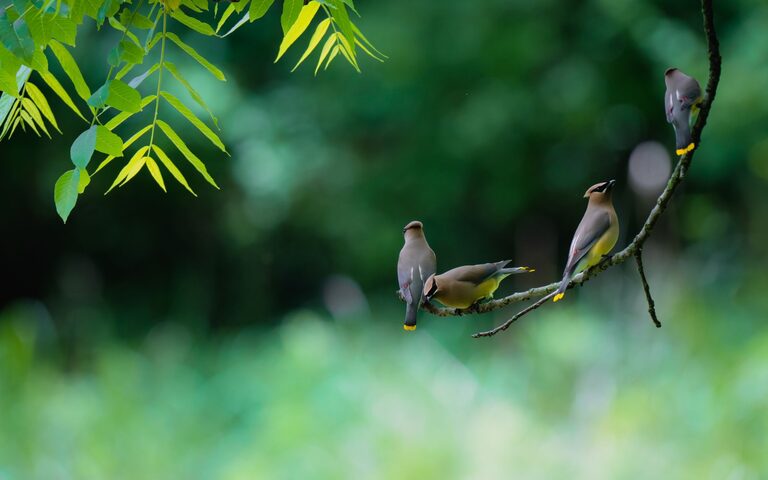
Birdwatching is a rewarding and relaxing hobby that anyone can enjoy. You don’t need to travel far or invest in expensive equipment to get started—your own backyard can become a front-row seat to observe the amazing world of birds. If you’re new to birdwatching, this guide will give you helpful tips on attracting birds, identifying common species, and making the most of your birdwatching experience.
Birdwatching in your backyard is convenient and accessible. It allows you to connect with nature daily and provides a peaceful way to unwind. Plus, watching birds can help you learn more about the local environment and even support conservation efforts by providing a safe habitat for birds.
You don’t need much to begin birdwatching, but a few basic items can enhance your experience:
– Binoculars: A good pair of binoculars helps you see details without disturbing the birds.
– Field Guide or Bird ID App: Use these tools to identify bird species by sight and sound.
– Notebook or Bird Journal: Recording your observations makes the hobby more engaging and helps track what you see over time.
Creating a bird-friendly environment is the first step to successful backyard birdwatching. Here are some tips:
Different bird species prefer different types of food. Offering a variety will attract a wider range of birds.
– Seed feeders: Black oil sunflower seeds are popular with many backyard birds.
– Suet feeders: Great for woodpeckers and nuthatches, especially in colder months.
– Fruit and nectar: Oranges, berries, and hummingbird nectar appeal to specific species.
Birds need water for drinking and bathing. A shallow birdbath or a small fountain can keep birds returning to your yard.
Plant native trees, shrubs, and flowers to provide shelter from predators and harsh weather. Installing birdhouses or leaving dead trees standing (if safe) offers nesting opportunities.
Pesticides and herbicides can harm birds. Choose natural gardening methods to keep your space safe and healthy for wildlife.
Once your backyard is bird-friendly, it’s time to enjoy watching them. Here are ways to improve your observation skills:
– Be patient and quiet: Birds are easily startled. Move slowly and keep noise to a minimum.
– Observe at different times: Birds are more active in the early morning and late afternoon.
– Use binoculars correctly: Hold them steady and focus gently to avoid missing details.
– Take notes and photos: Recording what you see helps improve your identification skills.
Depending on where you live, you may see a variety of species. Some common backyard birds in North America include:
– Northern Cardinal
– American Robin
– Blue Jay
– House Finch
– Chickadee
– Mourning Dove
– Downy Woodpecker
Learning the songs and calls of these birds can also enhance your birdwatching experience.
While birdwatching is enjoyable, it’s important to respect birds and their environment:
– Don’t disturb nests or young birds.
– Keep feeders clean to prevent disease.
– Only observe from a distance that doesn’t stress the birds.
Consider connecting with local birdwatching groups or online forums. Sharing your experiences and learning from others can deepen your appreciation and knowledge. Many groups also organize walks and events that are perfect for beginners.
Backyard birdwatching is a simple way to bring nature closer to your daily life. With a little effort in setting up your space and practicing observation, you’ll enjoy the sights and sounds of birds right outside your window. Happy birdwatching!
